Our Work
Water Quality Solutions Begin On Land
Water doesn’t follow political or governmental boundaries. Instead, it follows the geographical features of a land area or watershed.
Water drains off the land into the nearest creek or river, carrying loose soil, excess nutrients, bacteria, pesticides, toxic metals, exotic invasive species, and other pollutants.
Those pollutants eventually flow into our lakes, disrupting their fragile ecosystems and threatening their long-term health.
From invasive weeds to toxic algae blooms to declining fish and wildlife populations, pollution has devastating consequences for not only our lakes and streams but for our entire community.
That’s why we work to stop pollution at its source on land before it ever reaches the water.

Engaging Community
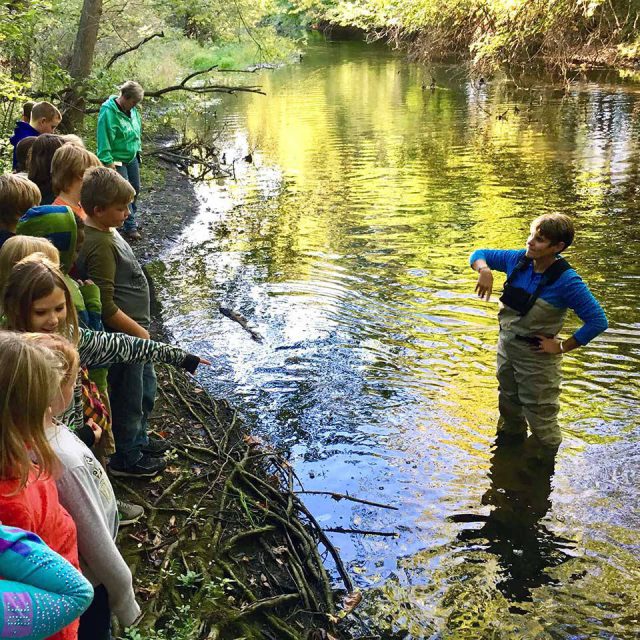
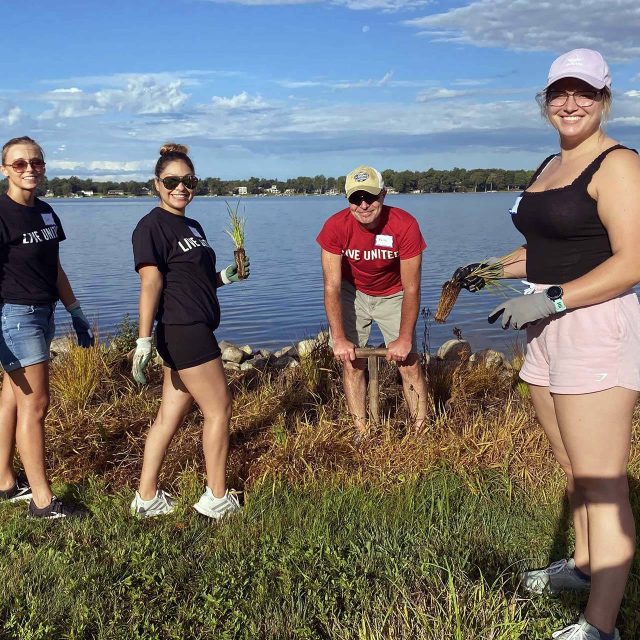
We inspire people of all ages to do their part to protect water quality and promote conservation through educational events, volunteer opportunities, and helpful resources.

Uniting Partners
We bring together conservation experts, local organizations, government bodies, and community leaders to address water quality issues, implement projects, and support programs that promote clean water in our communities.

Implementing Solutions
We work with landowners, including farmers and lake residents, to identify sources of pollution on land, discuss solutions, and implement projects that stop pollution before it reaches local waters. Our work is proactive and preventative.
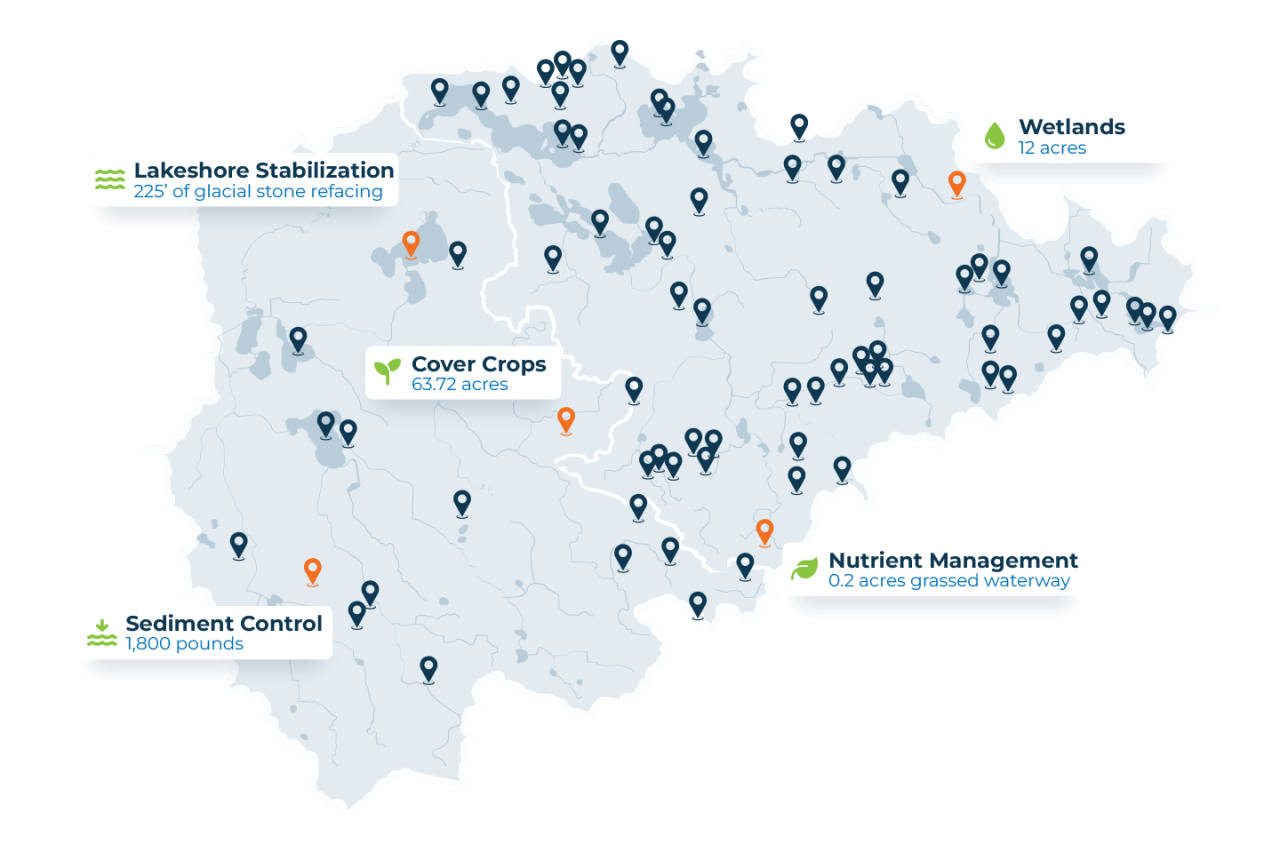
Mapping Successful Conservation
TWF partners with agricultural landowners and lake residents, supporting land and water conservation projects throughout the Upper Tippecanoe River Watershed. At HealthySoilsCleanWater.org, you can search projects, view details, and learn what partners are doing to promote clean water in our community!
Our Impact
We've taken action for healthy lakes since 1997.
The lakes in our community contribute over $313 million annually to our local economy — just one way the health of our watershed impacts the quality of our lives. Together with our partners and supporters, we’re making a measurable difference for our most precious resource: clean water.
Projects
Watershed projects completed – and counting.
Pounds
Pounds of weeds and algae prevented from growing.
Hours
Volunteer hours donated each year – a value of $92,875.
Pledges
Action pledges taken – and counting!
Did You Know?
1 pound of phosphorus can grow 10,000 pounds of weeds and algae.
Protecting our lakes is an ongoing effort, and we can’t do it without you. You can reduce your impact, volunteer your time, make a donation, and more!